
BioLab3 
Biomedical Engineering Laboratory
 |
|
| Phone Number | +39 06 5733 7057 |
|---|---|
| Website | http://biolab.uniroma3.it |
| Founder | Tommaso D'Alessio |
| Research group head | Silvia Conforto |
| Lab coordinator | Maurizio Schmid |
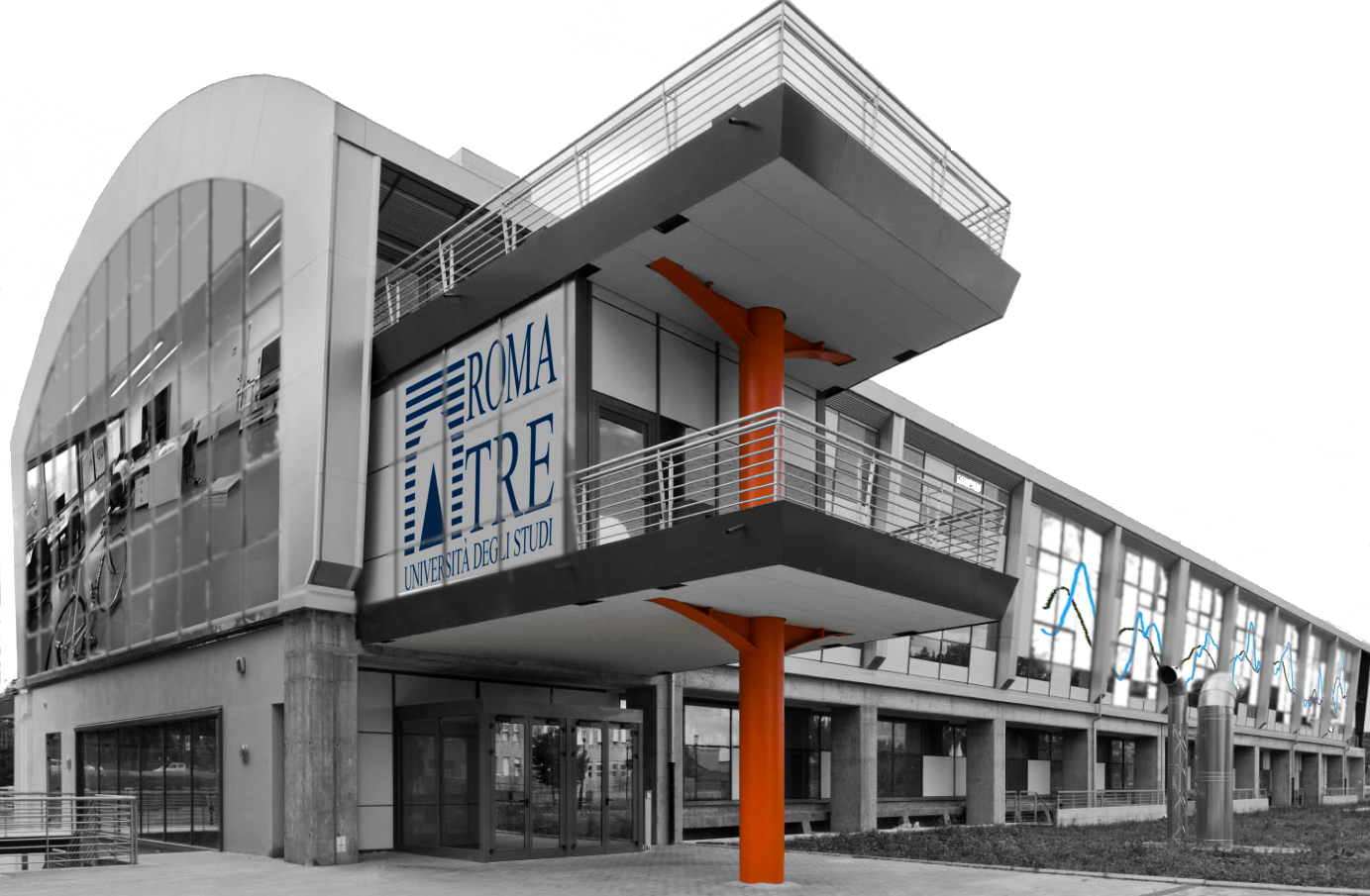
BioLab³, the Biomedical Engineering Laboratory at the Department of Industrial, Electronic and Mechanical Engineering, Roma Tre University, aims to develop and promote novel approaches, methodological innovations, and technological solutions for applications in human movement science at large.
The lab operates across a broad range of applications, including the functional evaluation and analysis of motor and physiological markers associated with neuromuscular disorders and conditions (e.g. Parkinson's disease, stroke, prosthesis use, ageing), the long-term monitoring and characterisatin of human movement and behaviour in unconstrained environments, and the development of technologies for human enhancement, rehabilitation, assistance and social inclusion across all age groups.
To this end, data are collected using electromyography (EMG), wearable inertial sensors, marker-based and marker-free motion capture systems, and force sensors, often in integrated cofngiurations. Application domains include performance optimisation in sport, ergonomicrisk assessment, monitoring motor recovery in rehabilitation, and the evaluation of biofeedback effects on motor control within neuromechanics.
Come visit us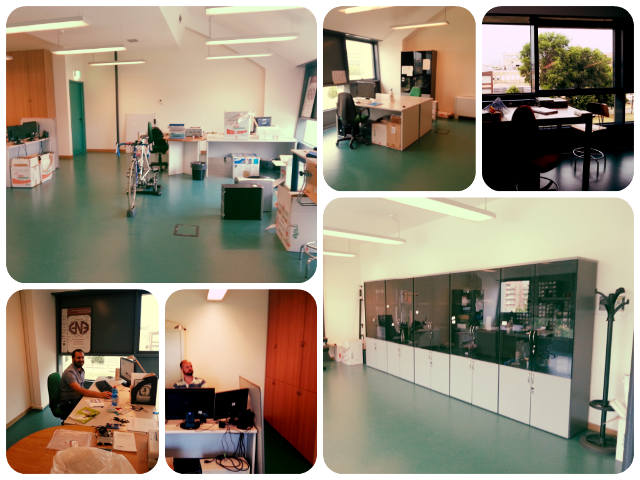 |
 Nuova Laurea Interclasse in Ingegneria Biomedica






Copyright Universita' degli Studi Roma Tre - Tutti i diritti riservati
< >